
Uncategorized
Direct Drive vs Belt-Driven Wheels: What’s Actually Worth It in 2026?
Jul
If you’ve been researching sim racing wheels, you’ve seen the debate: is a direct drive wheelbase really worth the extra money over a belt-driven or gear-driven wheel? In 2026, the honest answer for most Australian sim racers is yes — and prices have fallen far enough that entry-level direct drive now costs what mid-range belt-driven wheels did a few years ago. Here’s exactly what the difference is and when it matters.
How Each Technology Works
Gear-driven wheels use a small motor connected to the steering shaft through plastic gears. They’re cheap, but the gears introduce notchiness, backlash and noise — you feel the mechanism more than the car.
Belt-driven wheels replace gears with belts and pulleys. Smoother and quieter, but belts stretch and flex, which filters out the fine detail: kerb texture, the exact moment the rear tyres let go, surface changes.
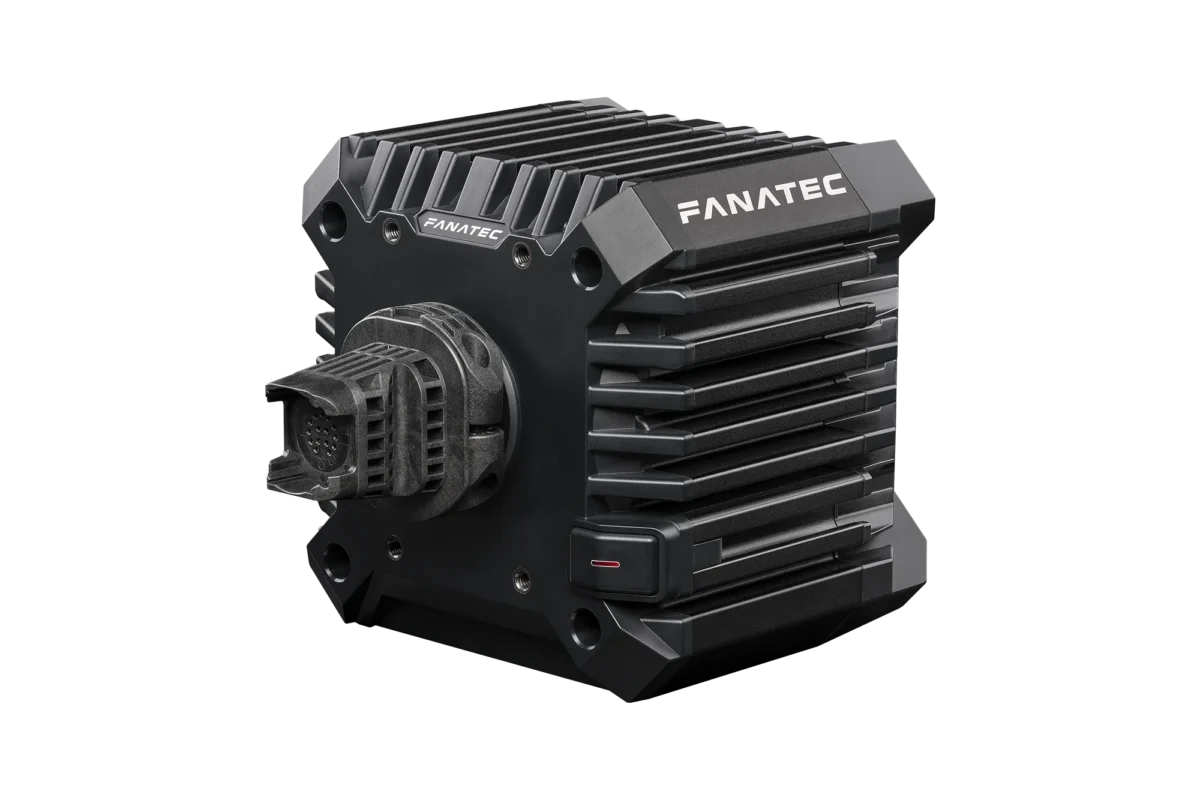
Direct drive wheels bolt the steering wheel straight onto the motor shaft. Nothing between you and the force feedback signal — no gears, no belts, no slack. What the physics engine calculates is what your hands feel, instantly.
What Direct Drive Actually Feels Like
The difference isn’t subtle. With direct drive you feel the front tyres load up progressively as you turn in, the steering goes light at the precise moment of understeer, and a slide announces itself through your hands before you see it. That last one is why drifters and rally drivers consider direct drive essential — catching a slide relies on the wheel’s self-aligning torque snapping back fast and strong, which is exactly what a bundle like the ClubSport DD+ Ready2Race Drift Bundle (15 Nm) is built for.
Isn’t Direct Drive Expensive?
It was. It isn’t anymore. The CSL DD QR2 Ready2Race Bundle (5 Nm) is a complete direct drive package — wheelbase, wheel and pedals — for around $626 AUD. That’s genuine direct drive fidelity at a price where belt-driven wheels no longer make sense. Stepping up to the 8 Nm version (around $792) buys stronger forces and more headroom, and the ladder continues up to the professional-grade Podium DD (25 Nm).
When Belt-Driven Still Makes Sense
Honestly? Almost never for a new purchase in 2026. The one scenario is a strict budget under $400 buying second-hand. If you’re buying new, entry direct drive outperforms every belt-driven wheel ever made, holds its resale value better, and gives you an upgrade path — quick-release wheels, better pedals, stronger bases — instead of a dead end.
One Thing Direct Drive Demands: Rigid Mounting
Direct drive torque will flex a flimsy desk, and flex destroys the detail you paid for. At 5 Nm, solid table clamps on a sturdy desk are fine. From 8 Nm up, plan for a proper cockpit — our complete setup guide matches cockpits to torque levels and budgets.
The Verdict
Direct drive isn’t hype — it’s simply a better way to connect your hands to the simulation, and in 2026 it’s affordable enough that we recommend every new buyer start there. If you’re building your first rig, start with our sim racing setup guide for Australia, and if braking consistency is your weak point, read our companion piece on load cell pedals — the other half of the lap-time equation.
